Each wine needs to take us somewhere.

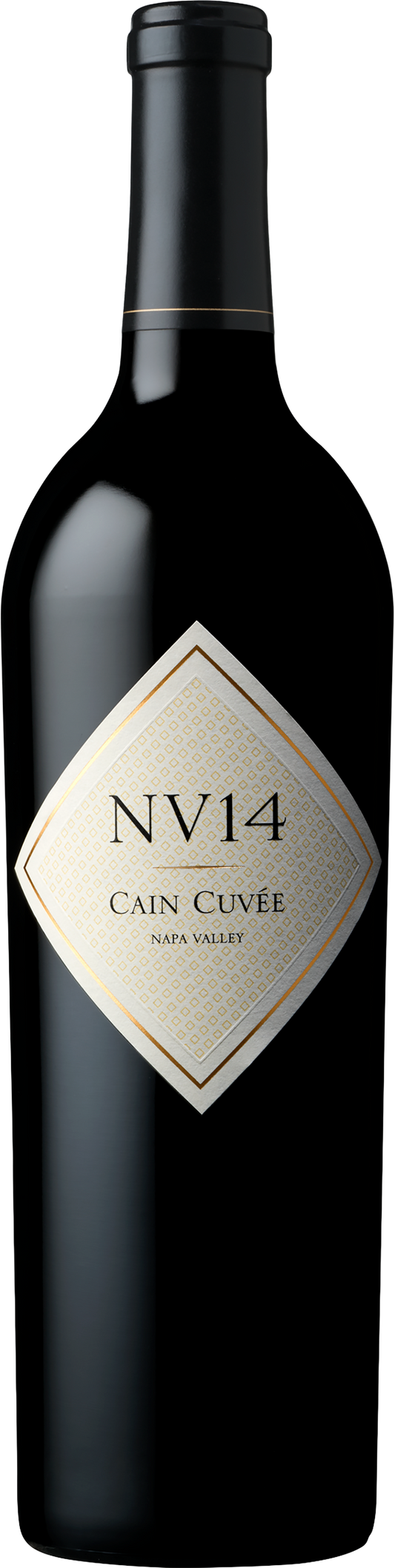
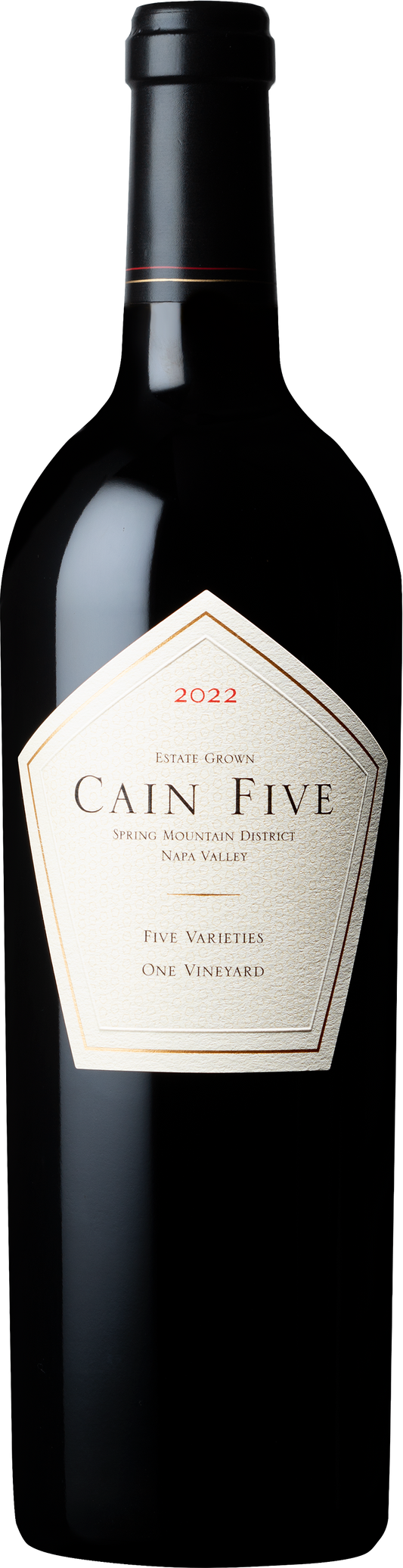
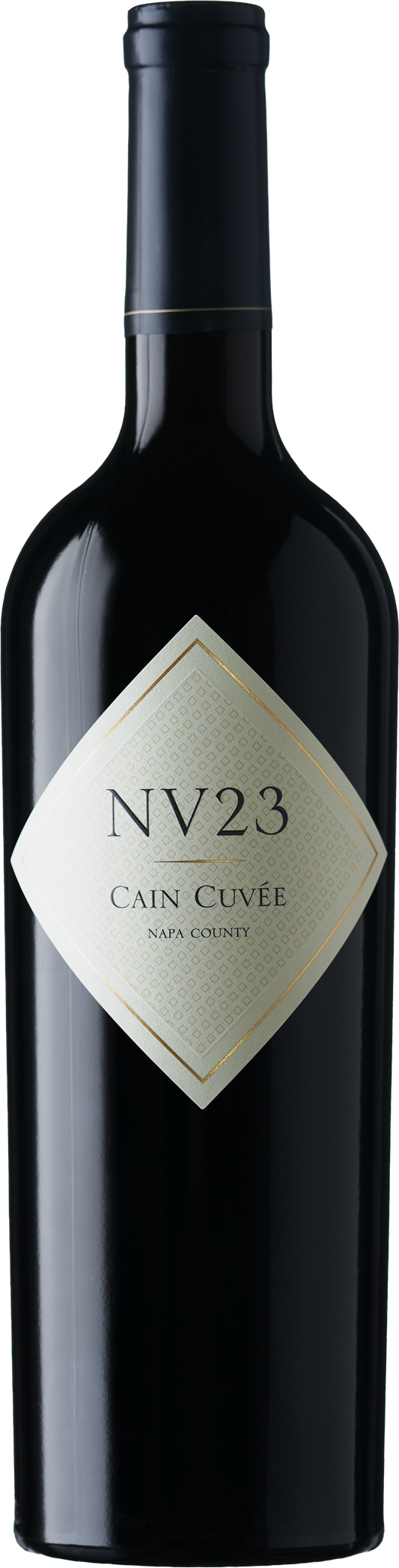
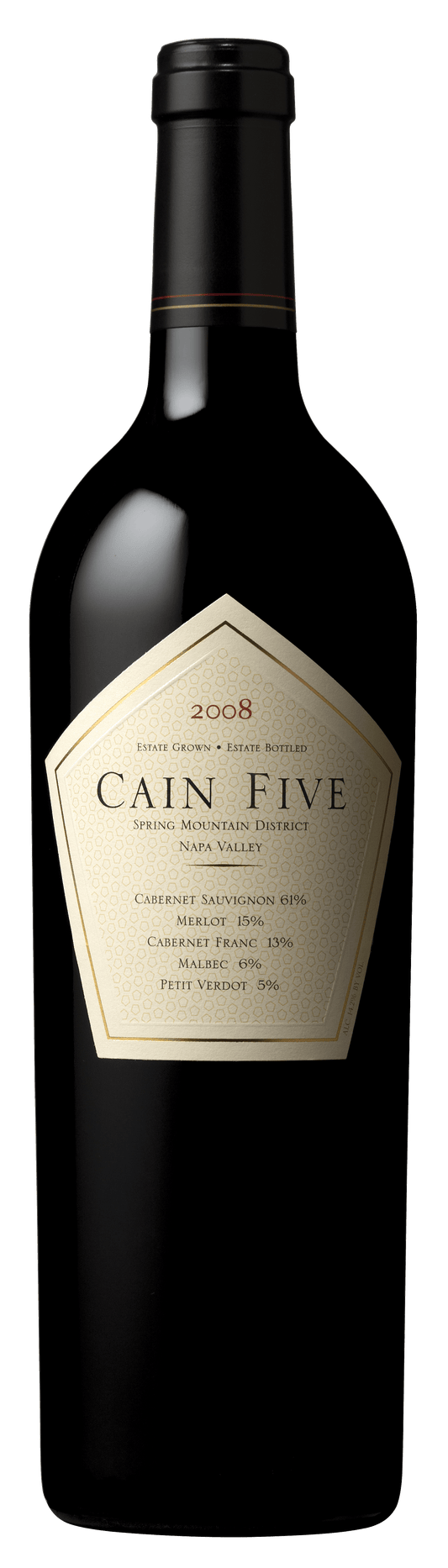
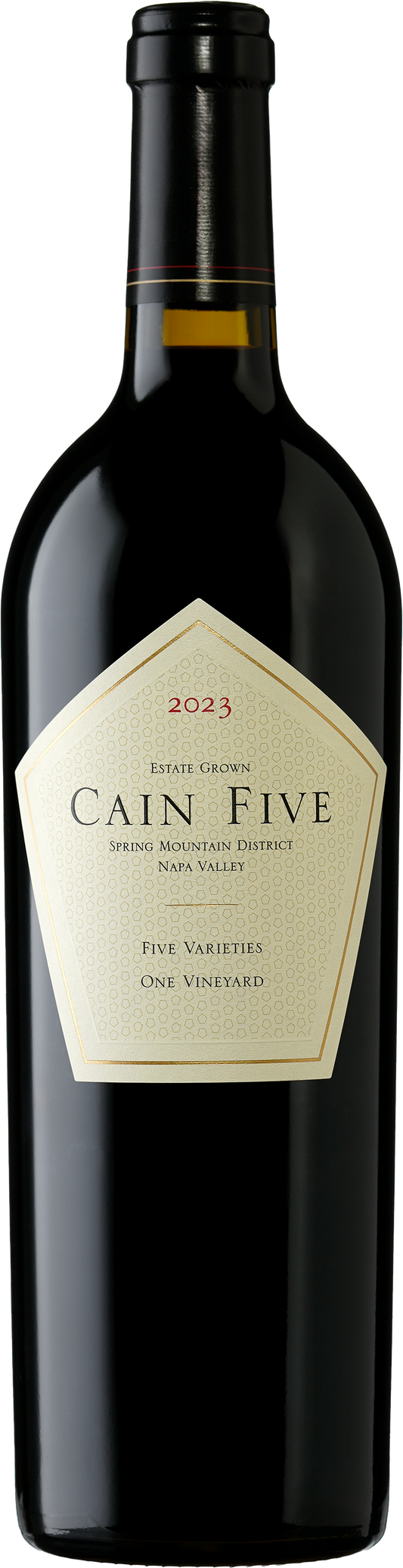
Cain Vineyard & Winery is cradled in a spectacular bowl overlooking the Napa Valley from the crest of the Spring Mountain District. We are dedicated to the creation of three Cabernet blends, each drawn from its own unique vineyard sources, each with its own distinctive signature: Cain Cuvรฉe, Cain Concept, and Cain Five.

The Wines

Subscription
Cain Vineyard & Winery Syrah Napa Valley 2018

INTRODUCTION

The success of Cain depends on the combination of an incredible site, an inspired vision, patient, persevering, and tenacious ownership, and the unending hard work of the Cain team. Take any of these key elements away, and you would not be reading thisโ€”nor would we even be writing it.

Each year, our work on Spring Mountain is marked by a few almost sacred moments in both the vineyard and the cellar: the beginning of pruning, the end of pruning, budbreak, flowering, veraison, bottling, the arrival of harvest interns, the beginning of harvest, the making of the wine, the end of harvest. Some of these events we acknowledge with ceremony, others we quietly observe.

HISTORY

The planting of the Cain Mountain Vineyard began shortly after the Cains purchased the property. This initial phase continued through 1988, followed by replanting from 1996 through 2006 onto phylloxera-resistant rootstocks. Replanting has begun again after the 2020 Glass Fire burned directly through the bowl of the Cain Vineyard, taking most of the vines and all of the buildings.

The first crush at the new winery, christened โ€œCain Cellars,โ€ was in the fall of 1982, at the newly constructed winery. Jim and Nancy Meadlock joined the Cains in 1986, and, in 1991, assumed sole ownership of the property. Chris Howell, who began consulting to the Cains in 1990, took over direction in 1991.

WINEMAKING

The transformation from grape to wine is magical. 1,000 years ago, alchemists called this process โ€œfermentation.โ€ Although much is understood, much is also misunderstood, and much more still remains a mystery. This is exactly as we would have it.

Nothing that we do at Cain could be called uniqueโ€”in fact, it could be called classical winemaking. Nevertheless, we believe that the sum of all our choices could still yield a wine that is uniquely Cain. Making red wine can be reduced to the most elemental, timeless recipeโ€”and this is how we approach it. Our winemaking program is simple, and it follows the same path for all our wines: hand picking, gentle destemming, native-yeast fermentation, thoughtful maceration, and intentional รฉlevage.